
How to Add Flavor Safely
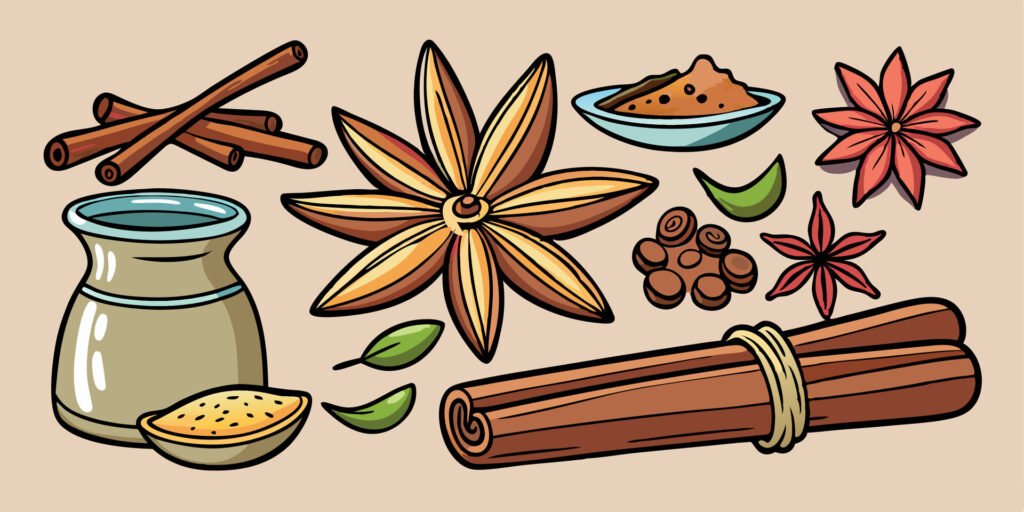
When toddlers start exploring solid foods, plain meals can feel boring — for both kids and parents! Introducing gentle, natural spices is a safe and healthy way to enhance flavor, support digestion, and create adventurous eaters. This guide covers toddler-friendly spices, safe usage tips, and easy combos your little one will love.
Why Add Spices to Toddler Meals?
Adding spices to toddler meals goes beyond flavor:
- Encourages adventurous eating: Early exposure to a variety of flavors can lead to more open-minded eating habits.
- Reduces sugar and salt: Natural spices provide taste without extra sodium or sugar.
- Supports health: Many spices contain antioxidants, anti-inflammatory compounds, and digestive benefits.
Safety Guidelines for Using Spices with Toddlers
- Start after 12 months: Introduce spices once your toddler is comfortable with solid foods.
- One at a time: Helps identify any sensitivities.
- Small amounts: Toddlers’ taste buds are sensitive — a pinch is plenty.
- Avoid hot spices: Skip chili, cayenne, or hot paprika.
- Observe reactions: Watch for rashes, digestive issues, or unusual behavior.
Top Toddler-Friendly Spices and How to Use Them
1. Cinnamon
- Flavor: Sweet and warm
- Best for: Oatmeal, baked apples, pancakes
- Health benefit: Antioxidant-rich, may stabilize blood sugar
2. Nutmeg
- Flavor: Sweet and nutty
- Best for: Mashed sweet potatoes, porridge, baked goods
- Tip: Use a tiny pinch — nutmeg is potent
3. Ginger
- Flavor: Mildly spicy, warm
- Best for: Carrot soup, pear puree, mild stews
- Health benefit: May soothe digestion
4. Turmeric
- Flavor: Earthy, slightly bitter
- Best for: Rice, scrambled eggs, vegetable purees
- Health benefit: Anti-inflammatory, antioxidant-rich
5. Paprika (Sweet)
- Flavor: Mild, smoky
- Best for: Roasted veggies, eggs, chicken
- Tip: Avoid hot paprika
6. Cumin
- Flavor: Earthy, warm
- Best for: Lentils, roasted carrots, mild curries
- Health benefit: Supports digestion, iron-rich
7. Garlic Powder
- Flavor: Mild, savory
- Best for: Pasta, mashed vegetables, rice
- Tip: Use small amounts to avoid overwhelming taste buds
8. Cardamom
- Flavor: Sweet, aromatic
- Best for: Rice pudding, banana bread, warm milk
- Health benefit: Gentle on the stomach
Easy Spice Combos for Toddlers
- Cinnamon + Nutmeg: Oatmeal, baked apples, pancakes
- Garlic Powder + Paprika: Roasted potato wedges, veggie fries
- Turmeric + Cumin: Lentil soup, mild veggie curry
- Cinnamon + Cardamom: Rice pudding, porridge
I recommend this pack of already mixed spices for children – 🔗 Walkerswood Variety Jerk Seasoning Four Pack
Tips for Getting Toddlers Excited About New Flavors
- Mix spices with familiar foods.
- Offer new flavors repeatedly — toddlers often need multiple tries.
- Let your toddler smell or touch the spice.
- Model flavor exploration yourself.
- Use spices that naturally add color to meals.
Also you can buy them this book – 🔗 Spice Rainbow – to engage them to try different tastes
Quick Reference Table
| Spice | Best Uses | Health Benefit |
|---|---|---|
| Cinnamon | Oatmeal, pancakes | Antioxidants, blood sugar |
| Nutmeg | Mashed sweet potatoes, porridge | Adds warmth, flavorful |
| Ginger | Carrot soup, pear puree | Soothes digestion |
| Turmeric | Rice, scrambled eggs | Anti-inflammatory |
| Paprika | Roasted veggies, eggs | Mild flavor, color |
| Cumin | Lentils, roasted carrots | Digestion, iron |
| Garlic | Pasta, mashed vegetables | Savory taste |
| Cardamom | Rice pudding, warm milk | Gentle, aromatic flavor |
Conclusion
Introducing spices to toddler meals helps develop adventurous, healthy eaters. By starting small, choosing mild spices, and pairing them with familiar foods, you can create flavorful, nutritious meals your little one will love.