
Safe First Food Guide for Parents
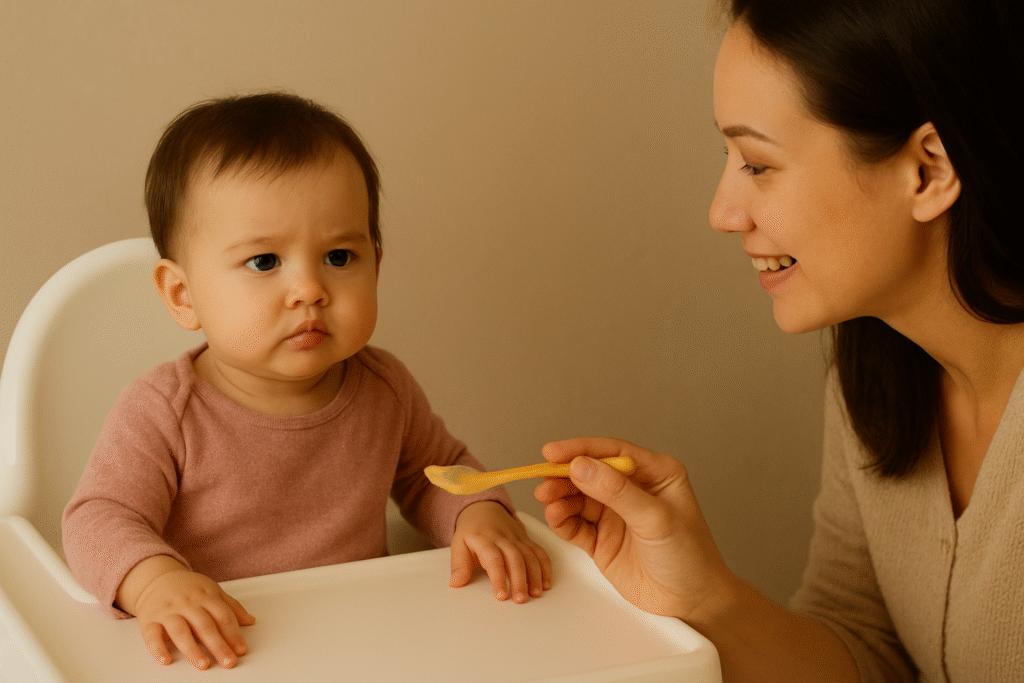
Learn how to safely introduce allergenic foods to your baby, spot early allergy signs, and keep mealtime safe, joyful, and full of love.
The first time you offer your baby a new food feels like unwrapping a present—you’re filled with excitement, curiosity, and maybe just a tiny bit of nervousness. Will they make a funny face? Will they love it? Will it end up in their hair (and yours)?
But for many parents, there’s another question quietly sitting in the back of the mind: What if my baby has a food allergy?
It’s a thought that can turn a joyful milestone into an anxious one, and that’s okay—you’re not alone.
Food allergies in babies can feel like uncharted territory, but here’s the good news: with the right knowledge and a gentle, step-by-step approach, you can introduce new foods confidently while keeping your little one safe. Think of it as learning the “safe snack dance”—a little bit of science, a lot of love, and a pinch of patience.
What Is a Food Allergy in Babies?
A food allergy happens when your baby’s immune system mistakes a certain food for something harmful and reacts to it. This reaction can show up in many ways—from mild skin changes to more serious symptoms.
Common food allergens in babies include:
- 🥜 Peanuts
- 🌰 Tree nuts (almonds, walnuts, cashews)
- 🥚 Eggs
- 🥛 Cow’s milk
- 🐟 Fish
- 🦐 Shellfish
- 🌾 Wheat
- 🌱 Soy
When to Introduce Common Allergens to Babies
According to recent research, introducing allergenic foods early—often around 6 months of age (but never before your baby is ready for solids)—may actually reduce the risk of developing allergies.
However, every baby is unique. Always talk to your pediatrician before introducing common allergens, especially if your baby:
- Has moderate to severe eczema
- Has a known allergy
- Has a strong family history of allergies
Early Signs of Food Allergies in Babies
Allergic reactions can appear within minutes or a few hours after eating. Keep an eye out for:
- Redness or hives on the skin
- Swelling of lips, eyes, or face
- Vomiting or diarrhea
- Persistent cough, wheezing, or trouble breathing (call emergency services immediately)
- Unusual fussiness or sleepiness after eating a new food
How to Safely Introduce Allergenic Foods
Think of this as your allergy-friendly feeding checklist:
- Introduce one food at a time – Wait 3–5 days before offering another new food so you can spot reactions.
- Start small – Just a quarter teaspoon for the first try is enough.
- Choose the right moment – Avoid introducing new foods when your baby is sick, tired, or cranky.
- Watch and wait – Stay with your baby for at least 2 hours after trying a new food.
- Repeat to confirm tolerance – Offer the food again on a different day to make sure it’s safe for your baby.
What to Do If Your Baby Has an Allergic Reaction
- For mild symptoms like a few hives, call your pediatrician for advice.
- For serious symptoms—swelling, trouble breathing, repeated vomiting—call emergency services immediately.
If your baby is diagnosed with a food allergy, your doctor will help you find safe alternatives and create an emergency plan.
Final Thoughts: Allergies Don’t Have to Steal the Joy from First Foods
Feeding your baby is a journey full of firsts—first bites, first messes, first favorites. Food allergies may be part of your story, or they may not. Either way, you’re doing an incredible job by showing up, learning, and keeping your little one safe.
Take a deep breath, mama or papa. You’ve got this. And remember—every spoonful is not just food, it’s love. 💛
Pingback: Is My Baby Gluten Intolerant? - Smol Eats