
Why Babies Reject Certain Foods
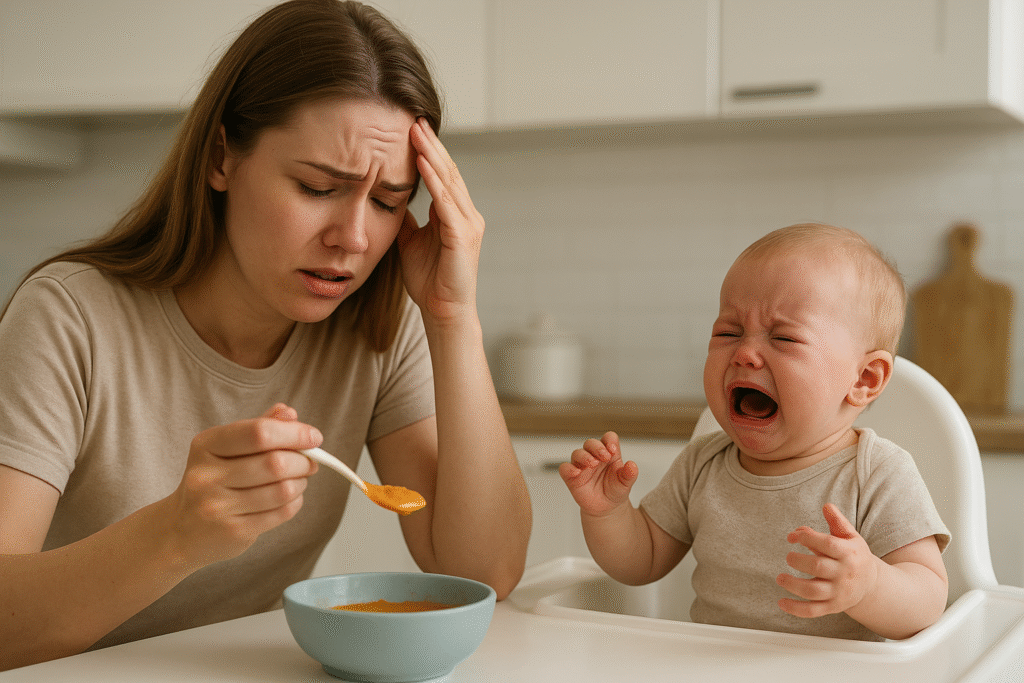
Have you ever lovingly prepared a meal for your baby, only to watch them spit it out, squish it in their hands, or toss it to the floor? Don’t worry—you’re not alone! Many parents struggle with babies rejecting certain foods, and texture is often the hidden reason.
In this post, we’ll dive into the science of textures in baby food, why babies are naturally sensitive to them, and how you can help your little one accept a wider variety of foods.
Why Texture Matters in Baby Food
When introducing solids, most parents focus on flavor. But for babies, texture is just as important—sometimes even more!
- Mouthfeel sensitivity: Babies explore the world with their mouths, and unusual textures can feel overwhelming.
- Safety instincts: Gagging on lumpy foods is a natural protective reflex, not a sign of dislike.
- Developmental stage: As oral motor skills improve, babies learn to manage thicker, chunkier foods.
👉 A baby-friendly food processor like the BEABA Babycook can help you make purées with just the right consistency for each stage:
🔗 Amazon USA | Amazon CA | Amazon DE | Amazon UK
The Science Behind Texture Sensitivity
- Neurological Development – Babies’ nervous systems are still maturing. New textures send strong sensory signals, which can feel “too much” at first.
- Evolutionary Protection – Humans are naturally cautious of new foods (called neophobia) to avoid harmful substances. Strange textures trigger this instinct.
- Oral Motor Skills – Chewing, swallowing, and moving food around the mouth take practice. Smooth purées are easier early on, while textured foods require more skill.
Common Food Textures Babies May Reject
- Slimy (banana, avocado) – Feels slippery and strange to little fingers and mouths.
- Grainy (oatmeal, quinoa) – Small particles can irritate sensitive gums.
- Fibrous (carrots, green beans) – Stringy fibers are tough for new eaters.
- Chunky (mashed potatoes, lentils) – Inconsistent textures may cause gagging.
👉 Tip: Using silicone baby spoons like the Munchkin Gentle Spoon Set or Panda Ear can make lumpy or grainy foods easier for babies to accept:
🔗 Amazon USA | Amazon CA | Amazon DE | Amazon UK
Tips to Help Babies Accept New Textures
✅ Start Slowly – Move from smooth purées → mashed → finely chopped → finger foods.
✅ Mix Textures – Combine smooth with small lumps (e.g., mashed banana in yogurt).
✅ Offer Often – Repeated exposure builds familiarity—babies may need 10–15 tries!
✅ Model Eating – Babies copy you. Eating the same foods helps them feel safe.
✅ Stay Calm – Gagging is normal; don’t pressure or force. Encourage, but let them lead.
👉 A sectioned suction plate like the ezpz Mini Mat helps babies explore new textures without the mess:
🔗 Amazon USA | Amazon CA | Amazon DE | Amazon UK
When to Seek Extra Help
If your baby:
- Consistently gags or vomits on textured foods
- Refuses all solids by 9–10 months
- Shows distress beyond normal rejection
…it may be helpful to talk with a pediatrician or feeding therapist.
Final Thoughts
Babies rejecting certain foods isn’t always about taste—it’s often about texture sensitivity. By understanding the science and using gentle strategies, you can help your little one grow into a confident, adventurous eater.
And remember: the right tools—like a good baby food maker, soft spoons, and suction plates—can make the journey smoother for both you and your baby.
Suggested blog posts on this subject 🤗
bla