
Tips from Local Moms
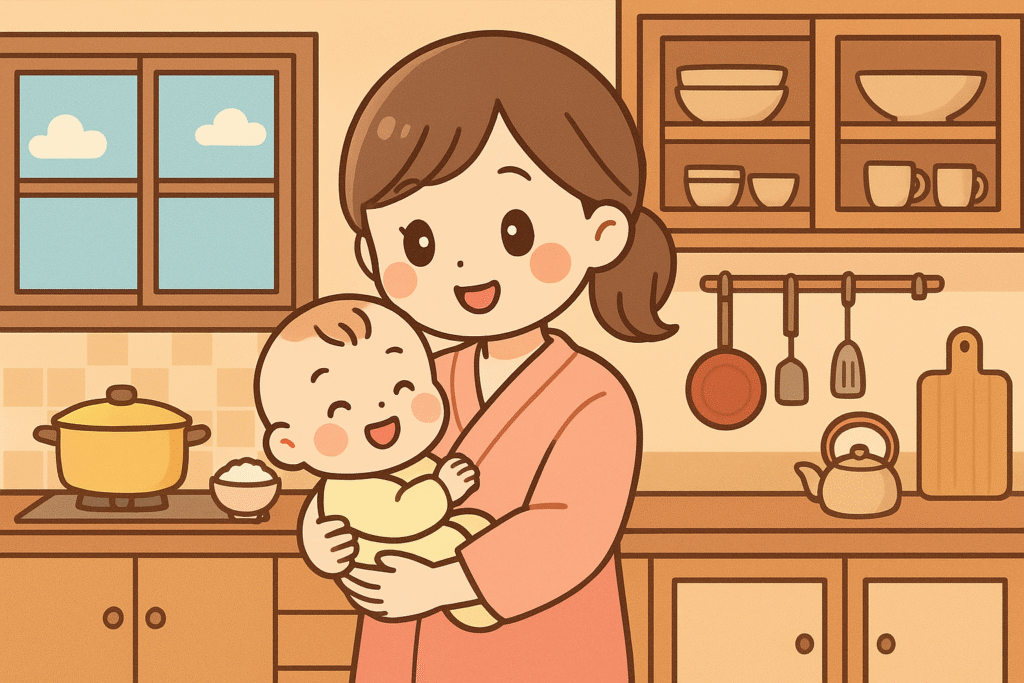
During my recent stay in Japan, I had the incredible opportunity to connect with Japanese moms and explore firsthand how they introduce solids to their little ones.
From bustling city kitchens to serene countryside homes, I observed the thoughtful routines and gentle approaches that make starting solids a positive experience for babies here.
Japanese moms shared valuable tips on timing, food preparation, and the importance of texture and presentation—insights that can make the transition to solid foods smoother and more enjoyable for both baby and parent.
In this post, I’ll share these practical strategies, along with easy, nutrient-rich Japanese-inspired recipes, to help you confidently guide your baby’s journey into solid foods.
When to Start Solids in Japan
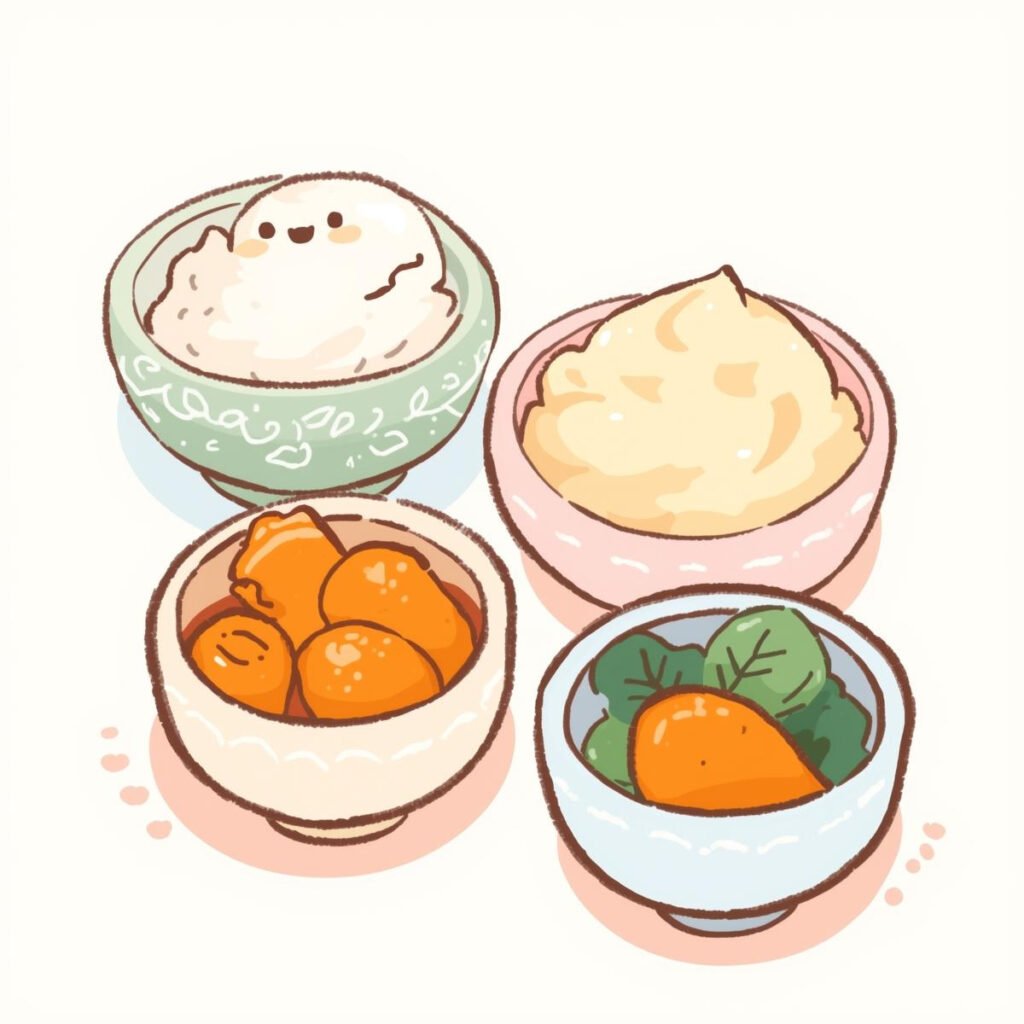
In Japan, most pediatricians recommend starting solids around 5 to 6 months. Japanese moms emphasize watching your baby’s cues—sitting with support, showing interest in food, and coordinating hand-to-mouth movements. Unlike some Western routines, the transition is often gradual, beginning with single-ingredient purees before introducing combinations.
Tips from Japanese moms:
- Start with soft, easily digestible foods like rice porridge (okayu) or mashed sweet potato.
- Offer solids once a day initially, gradually increasing to two or three meals as your baby gets used to textures.
- Observe for any signs of allergies carefully, especially when introducing fish, eggs, or soy.
Popular First Foods for Babies in Japan
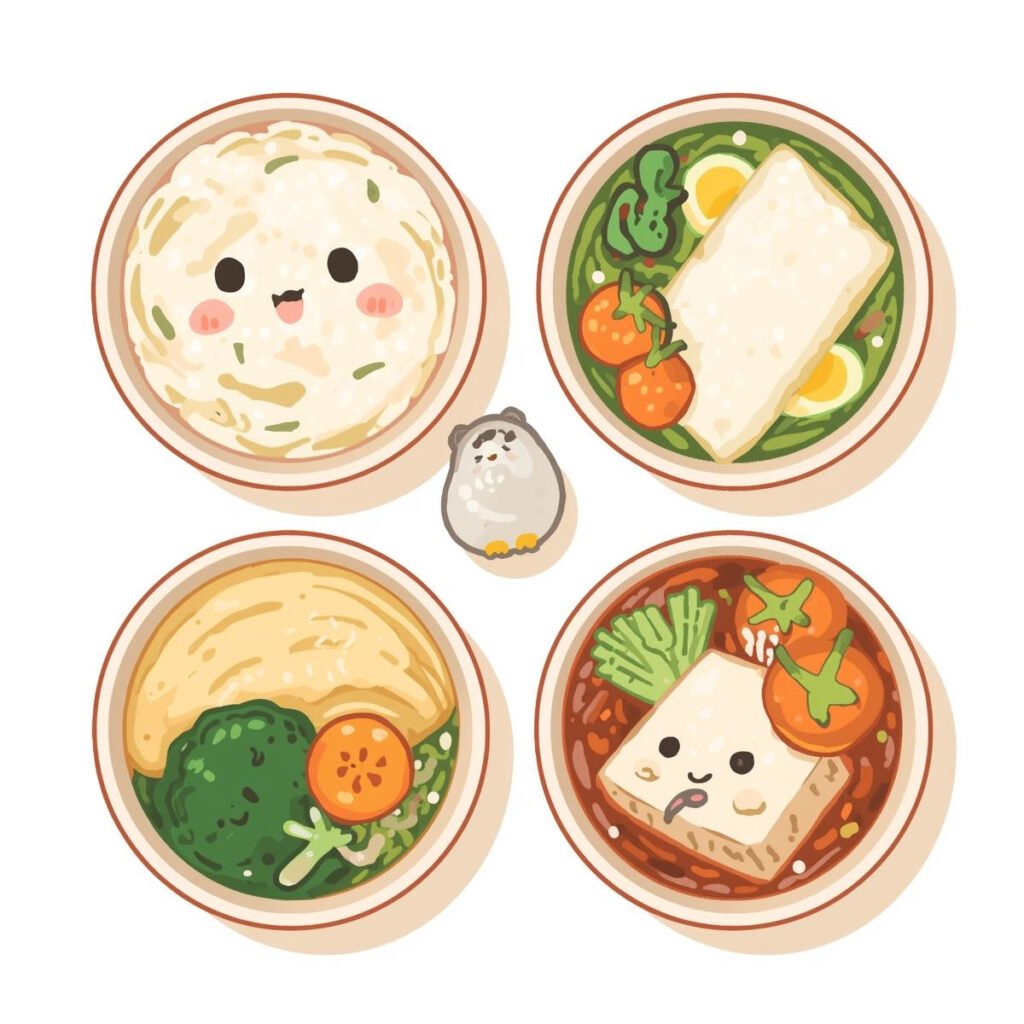
Japanese moms often introduce foods that are gentle, naturally sweet, and easy to digest. Here are some favorites:
- Rice Porridge (Okayu) – Mild, easy on the stomach, and the traditional first food.
- Sweet Potato (Satsumaimo) – Naturally sweet and rich in fiber.
- Carrot (Ninjin) – Pureed and slightly sweet, perfect for beginners.
- Pumpkin (Kabocha) – Soft and nutrient-rich, often mashed or pureed.
- Tofu – Smooth and high in protein, excellent for babies transitioning to solids.
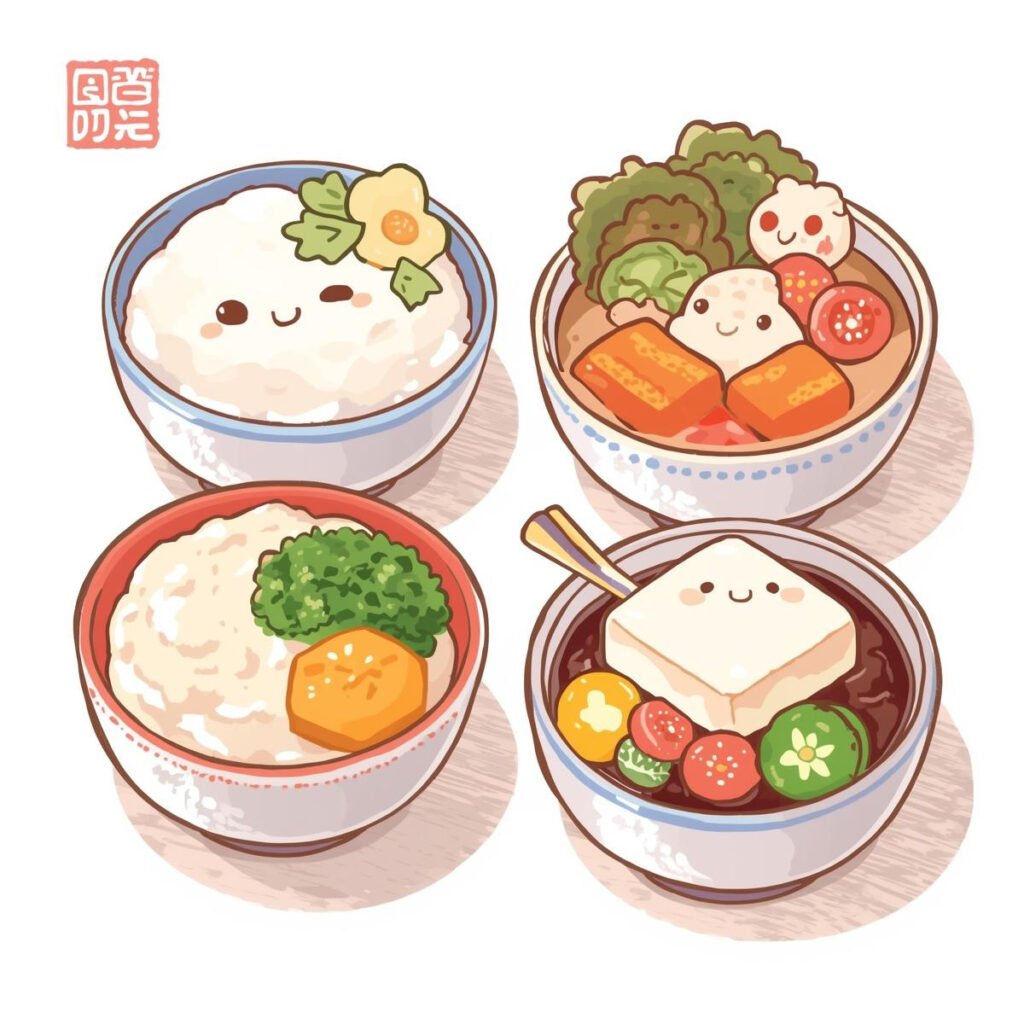
Pro tip: Presentation matters in Japan! Food is often served in small, colorful portions, making mealtime inviting for babies.
Japanese Baby Food Recipes
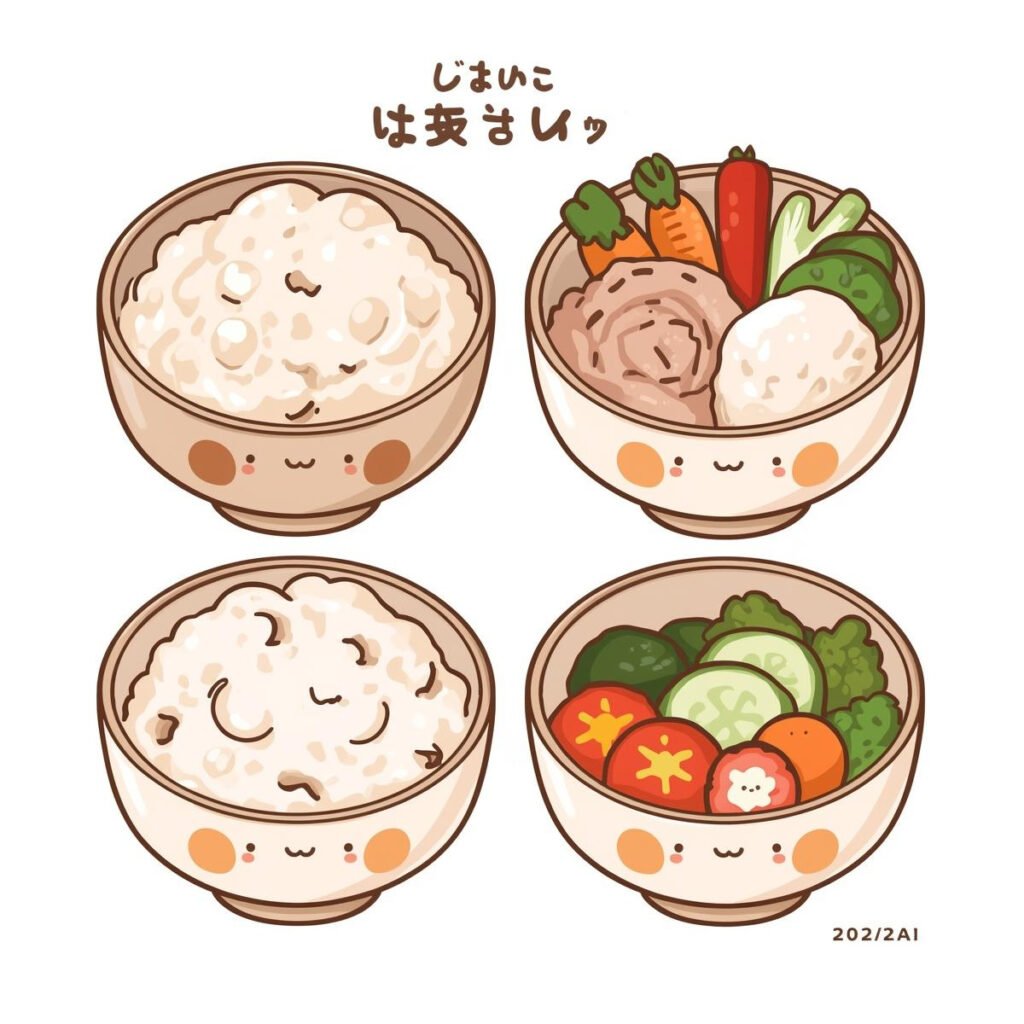
Here are a few simple Japanese-inspired recipes for starting solids:
1. Okayu (Rice Porridge)
- 2 tbsp Japanese rice
- 1/2 cup water
- Rinse rice and add to a small pot with water.
- Cook on low heat until the rice is soft and porridge-like.
- Blend slightly if needed for smoother texture.
2. Mashed Sweet Potato
- 1 small sweet potato
- Steam or boil until soft.
- Mash thoroughly with a fork or puree for smoother consistency.
3. Carrot & Pumpkin Puree
- 2 tbsp carrot, 2 tbsp pumpkin
- Steam until tender.
- Mash or blend together until smooth.
- Optionally, add a little breastmilk or formula for creaminess.
Tips for Introducing Solids in Japan
Japanese moms shared some practical advice that can help make mealtime easier and more enjoyable:
- Consistency is key: Start with thin purees, gradually thickening them as your baby develops chewing skills.
- Mind the temperature: Food is usually served lukewarm to prevent burns.
- Small portions, frequent meals: Babies in Japan often eat small portions multiple times per day rather than large meals.
- Encourage self-feeding: Once your baby is comfortable, let them explore textures with their hands or a baby spoon.
The Japanese Philosophy of Baby Eating
In Japan, mealtime is not just about nutrition—it’s about fostering curiosity, independence, and a positive attitude toward food. Parents often involve babies in the process by allowing them to touch, smell, and explore their first foods. This gentle, patient approach reduces mealtime stress and helps babies develop a healthy relationship with food from the start.
Final Thoughts
Introducing solids is a major milestone, and doing so in a mindful, Japanese-inspired way can make the experience joyful for both you and your baby. Start with simple, nutrient-rich foods, observe your baby’s cues, and embrace the gentle, playful approach that Japanese moms use every day.
By blending tradition with modern practices, you can create a positive and healthy foundation for your baby’s eating journey—right from the first spoonful.
Suggested External Sources for Inspiration and more Info 🤗
This post contains affiliate links. If you purchase through these links, I may earn a small commission at no extra cost to you.
- Baby food steamer & blender combo – I recommend BEABA Babycook Express 4-in-1 Baby Food Preparer:
🔗 Amazon EU | Amazon UK | Amazon USA | Amazon CA - Silicone suction plates – to reduce spills:
I recommend Constructive Eating Brand – these plates are dishwasher and microwave safe, ensuring convenience for busy parents.
Other brands:
🔗 Amazon EU | Amazon UK | Amazon USA | Amazon CA - Baby self-feeding spoons – perfect for little hands:
🔗 Amazon EU | Amazon UK | Amazon USA | Amazon CA - Freezer storage trays for baby food – portion and save for later:
🔗 Amazon EU | Amazon UK | Amazon USA | Amazon CA - Non-toxic baby bibs – easy to wipe clean:
🔗 Amazon EU | Amazon UK | Amazon USA | Amazon CA - Compact Rice Cooker:
🔗 Amazon EU | Amazon UK | Amazon USA | Amazon CA