
Benefits, Nutrition, and Baby-Friendly Recipes
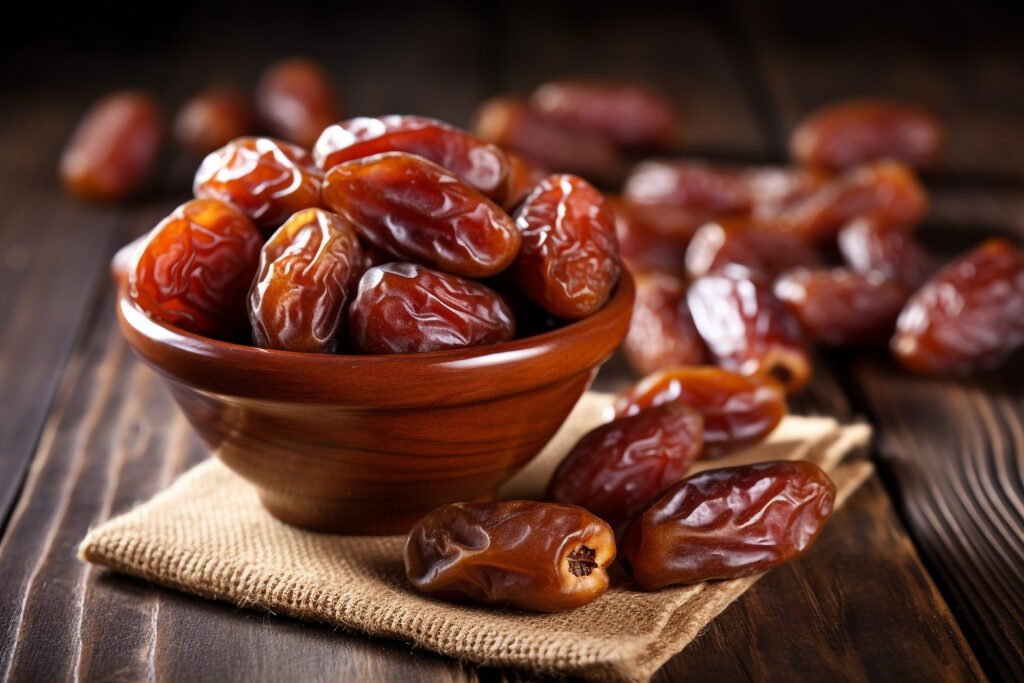
Introducing dates to your 1-year-old can be a wonderful way to add natural sweetness, energy, and essential nutrients to their diet. Dates are soft, easy to digest when mashed or pureed, and packed with vitamins and minerals that support growth and development. In this post, we’ll cover the benefits of dates for babies, nutritional breakdown, easy recipes, and how dates compare to other fruits like raisins, bananas, and figs.
✅ Benefits of Dates for 1-Year-Olds
Dates are more than just a sweet treat—they’re a powerhouse of nutrition for growing toddlers:
- Natural Sweetener – Perfect replacement for refined sugar in porridge, smoothies, and purees.
- Energy Boost – Rich in natural carbohydrates (glucose, fructose, sucrose) that provide quick fuel for active little ones.
- Iron Support – Helps maintain healthy hemoglobin levels and prevents anemia.
- Strong Bones & Teeth – Provides calcium, magnesium, and phosphorus.
- Supports Digestion – High in fiber, which prevents constipation.
- Immunity Booster – Contains antioxidants, vitamins A, K, and B-complex, plus minerals like zinc and selenium.
- Brain Development – The natural sugars and micronutrients aid memory and brain growth.
🍯 Nutritional Value of Dates (per 100g, approximate)
- Energy: 277 kcal
- Carbohydrates: 75 g (mostly natural sugars)
- Fiber: 7 g
- Protein: 2 g
- Fat: 0.2 g
- Iron: 1 mg
- Calcium: 39 mg
- Magnesium: 43 mg
- Potassium: 656 mg
- Vitamins: A, B6, K, folate, riboflavin, niacin
⚠️ Safety Tips for Giving Dates to Toddlers
- Choking Hazard: Dates are sticky and chewy. Always mash, puree, or finely chop before serving.
- Portion Size: 1–2 small dates per day is enough.
- Dental Care: Since dates are high in natural sugars, brush or wipe your baby’s teeth afterward.
- Allergy Caution: Uncommon, but always introduce new foods slowly.
🥄 Easy Date Recipes for 1-Year-Olds
Here are some baby-friendly ways to serve dates:
1. Date Puree (Natural Sweetener)
- Soak 2–3 pitted dates in warm water for 15–20 minutes.
- Blend with water until smooth.
- Stir into oatmeal, porridge, or yogurt.
2. Date-Oatmeal Bowl
- Cook oats with water, breastmilk, or plant-based milk.
- Stir in 1–2 teaspoons of date puree.
- Add mashed banana or apple for extra flavor.
3. Fruit & Date Mash
- Steam apple or pear until soft.
- Mash with a spoonful of date puree.
- Great as a soft dessert for toddlers.
4. Date & Veggie Mix
- Steam carrots or sweet potato.
- Mash with date puree.
- Balances sweet and savory flavors.
5. Mini Date Energy Balls (for supervised snacking)
- Blend oats + dates + a little nut butter (if already introduced safely).
- Roll into soft, tiny balls.
- Offer as a finger food under close supervision.
Below you will find a list of things that could help you in the kitchen 🤗
Baby Food Maker & Steamer:
A one-stop appliance that steams, blends, and warms baby food — no extra pots or mess.
👉 I reccomend GROWNSY Baby Food Maker:
🔗 Amazon EU | Amazon UK | Amazon USA | Amazon CA
Silicone Freezer Trays with Lids:
Perfect for batch-making and freezing baby purees in convenient portions.
👉 I reccomend Silicone Baby Porridge Tray For Freezing
🔗 Amazon EU | Amazon UK | Amazon USA | Amazon CA
Silicone Baby Feeding Spoons:
👉 The best ore those that come in packs of at least 2-3 and are of course BPA-free:
🔗 Amazon EU | Amazon UK | Amazon USA | Amazon CA
🍎 Dates vs Raisins vs Bananas vs Figs: Which Is Better?
Here’s how dates compare to other sweet baby-friendly foods (per 100g):
| Nutrient | Dates | Raisins | Banana | Figs (Dried) |
|---|---|---|---|---|
| Energy | 277 kcal | 299 kcal | 89 kcal | 249 kcal |
| Carbs | 75 g | 79 g | 23 g | 64 g |
| Sugars | ~63 g | ~59 g | ~12 g | ~48 g |
| Fiber | 7 g | 4 g | 2.6 g | 9.8 g |
| Protein | 2 g | 3 g | 1.1 g | 3.3 g |
| Iron | 1 mg | 1.9 mg | 0.3 mg | 2 mg |
| Potassium | 656 mg | 744 mg | 358 mg | 680 mg |
| Calcium | 39 mg | 50 mg | 5 mg | 162 mg |
| Magnesium | 43 mg | 32 mg | 27 mg | 68 mg |
Takeaways for Parents:
- Dates vs Raisins: Dates are softer when soaked → easier for babies. Raisins are stickier and a choking risk.
- Dates vs Bananas: Bananas are lower in sugar and gentler on digestion → great everyday fruit. Dates are richer in minerals → best in moderation.
- Dates vs Figs: Figs have more calcium and fiber but contain seeds, which may need extra mashing.
- Bottom Line: Dates are excellent as a natural sweetener and nutrient booster, but moderation is key.

🌟 Final Thoughts
Dates are a healthy, nutrient-dense, and baby-friendly food when given the right way. At 1 year old, your little one can safely enjoy dates in mashed, pureed, or finely chopped form. They’re perfect as a natural sweetener, an energy booster, and a gentle iron source for growing toddlers.
Pingback: Mango for Babies - Smol Eats