
Signs, Symptoms, and What to Do
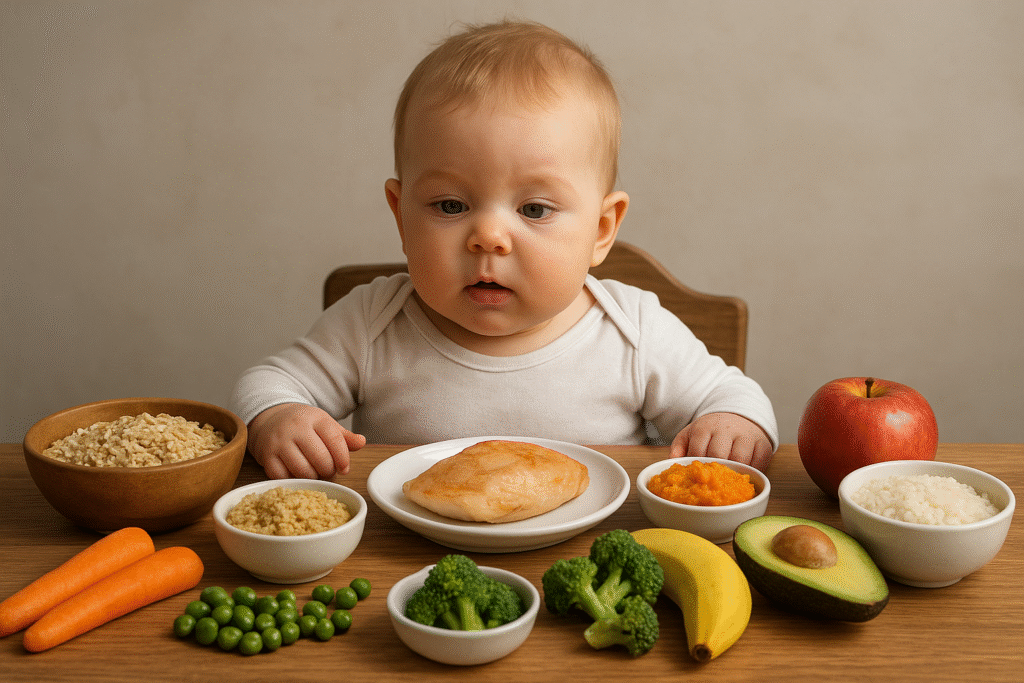
What Is Gluten Intolerance?
Gluten intolerance (also called non-celiac gluten sensitivity) happens when the body has trouble digesting gluten — a protein found in wheat, barley, and rye. It’s different from celiac disease, which is an autoimmune condition, and from a simple wheat allergy.
For babies, gluten intolerance can show up soon after introducing foods that contain gluten, such as bread, pasta, or cereals.
When Can Babies Eat Gluten?
Most babies can start eating gluten after 6 months, once they begin solids. Experts recommend introducing gluten gradually — just like any other allergen — and watching for reactions.
👉 Start small: offer a spoon of oatmeal or a tiny piece of toast.
👉 Wait 3–5 days before offering again, so you can spot any unusual symptoms.
⚠️ Signs of Gluten Intolerance in Babies
If your baby doesn’t tolerate gluten well, you might notice some of these symptoms:
- Frequent gas, bloating, or tummy pain
- Diarrhea or constipation
- Unexplained fussiness after eating
- Poor weight gain or growth
- Skin rashes (especially around the mouth or diaper area)
- Fatigue or irritability
🩺 Always consult your pediatrician if you suspect gluten intolerance or any food sensitivity. A doctor can help rule out celiac disease or other digestive issues.
The Difference Between Celiac Disease and Gluten Intolerance
- Celiac disease: An autoimmune condition where gluten damages the small intestine. It requires lifelong gluten avoidance.
- Gluten intolerance: Causes discomfort or digestive upset but doesn’t damage the gut lining.
- Wheat allergy: An immune response to proteins in wheat (not just gluten).
If your baby shows symptoms, your pediatrician may recommend blood tests or a gluten elimination diet to help identify the cause.
Gluten-Free Baby Food Ideas
If your baby needs to avoid gluten, don’t worry — there are plenty of nutritious options!
✅ Gluten-free grains: Oats (certified GF), rice, quinoa, millet, buckwheat, and amaranth
✅ Fruits and veggies: All naturally gluten-free
✅ Proteins: Eggs, beans, lentils, chicken, tofu, and fish
✅ Healthy snacks: Mashed banana, sweet potato puree, or avocado toast on gluten-free bread
💡 Tip: Always check labels — even baby cereals can sometimes contain traces of gluten.
Introducing Gluten the Smart Way
Here’s a simple, safe approach:
- Start slow — add small amounts of gluten-containing foods.
- Observe — track your baby’s reactions for a few days.
- Mix it up — offer a variety of grains to ensure balanced nutrition.
- Stay calm — minor changes in poop or appetite are normal when starting solids.
🛒 Mom-Approved Gluten-Free Essentials
Switching to gluten-free meals doesn’t have to be hard! Here are some trusted, mom-loved products to make your baby’s meals easy and nutritious:
🥣 Gluten-Free Baby Cereals
🍚 Gluten-Free Grains for Homemade Purees
🍽️ Kitchen Tools That Make Baby Food Easy
Final Thoughts
Every baby is unique. Some will happily munch on whole-grain toast, while others may need time before their tummies adjust. Follow your instincts, keep an eye on symptoms, and work closely with your pediatrician.
With patience and care, you’ll find what works best for your little one. 🌸
Bonus idea: Check out my Allergies in Babies